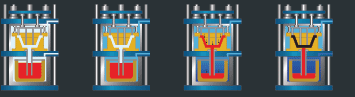
 COUNTER PRESSURE CASTING TECHNOLOGY
Counter pressure technology is being used by nearly every major automobile manufacturer in the world for chassis components and those that aren’t, soon will be. Click here to read more.
CPC Machines
In a business where reliability and efficiency are paramount, the CPC Group is proud to have more than 100 years combined experience in the manufacturing of over 1,000 state-of-the-art casting machines. We provide our customers with the expertise of 500 highly skilled engineers, technicians and machinists who create, build and maintain the best in mass production technology and machinery operating around the world.
Counter pressure technology is being used by nearly every major automobile manufacturer in the world for chassis components and those that aren’t, soon will be.
Because of the many advantages CPC technology provides, it is also the number one choice for any aluminum castings where high strength, reliability and cost are factors. We have many customers in the automotive, motorcycle, marine and electrical industries that lead the world in production and require the superior quality products only CPC can supply.
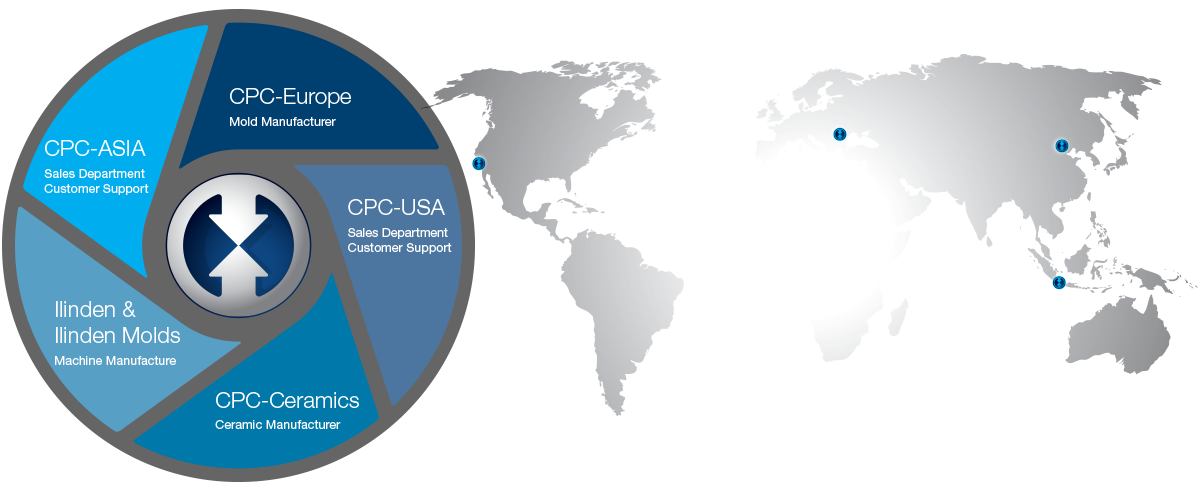
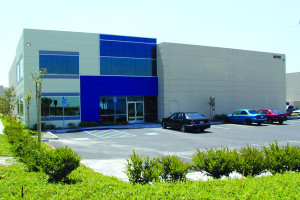
CPC Europe, CPC USA & CPC Asia
CPC Europe (Group headquarters), CPC USA and CPC Asia form the principle network of worldwide sales, service and operations. With locations around the globe, we can ensure our customers receive fast and reliable service anywhere in the world.
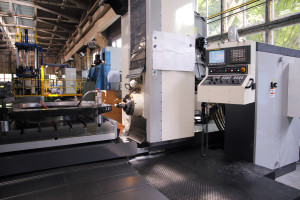
Ilinden Ltd
Ilinden Ltd. is a key member and the principal equipment manufacturing unit of the CPC Group. With decades of experience in the production of counter pressure casting, low pressure casting and gravity casting machines, as well as supporting equipment, Ilinden Ltd. has become a global leader in the industry with 98 percent of its business export.
Ilinden’s mold division is a one-stop shop for design, engineering, testing and development of counter pressure technology. A market specialist in mold manufacturing, Ilinden delivers the highest quality molds for CPC machines as well as high and low pressure dies and tooling.
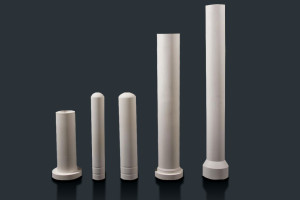
CPC-Ceramics
The CPC Group’s Ceramics division has been developing Aluminum Titanate (AlTi) products for the foundry industry for over 20 years, including many used in our counter and low pressure casting machines. We can meet the needs of the most demanding customers by offering quality, selection and value for their investment.